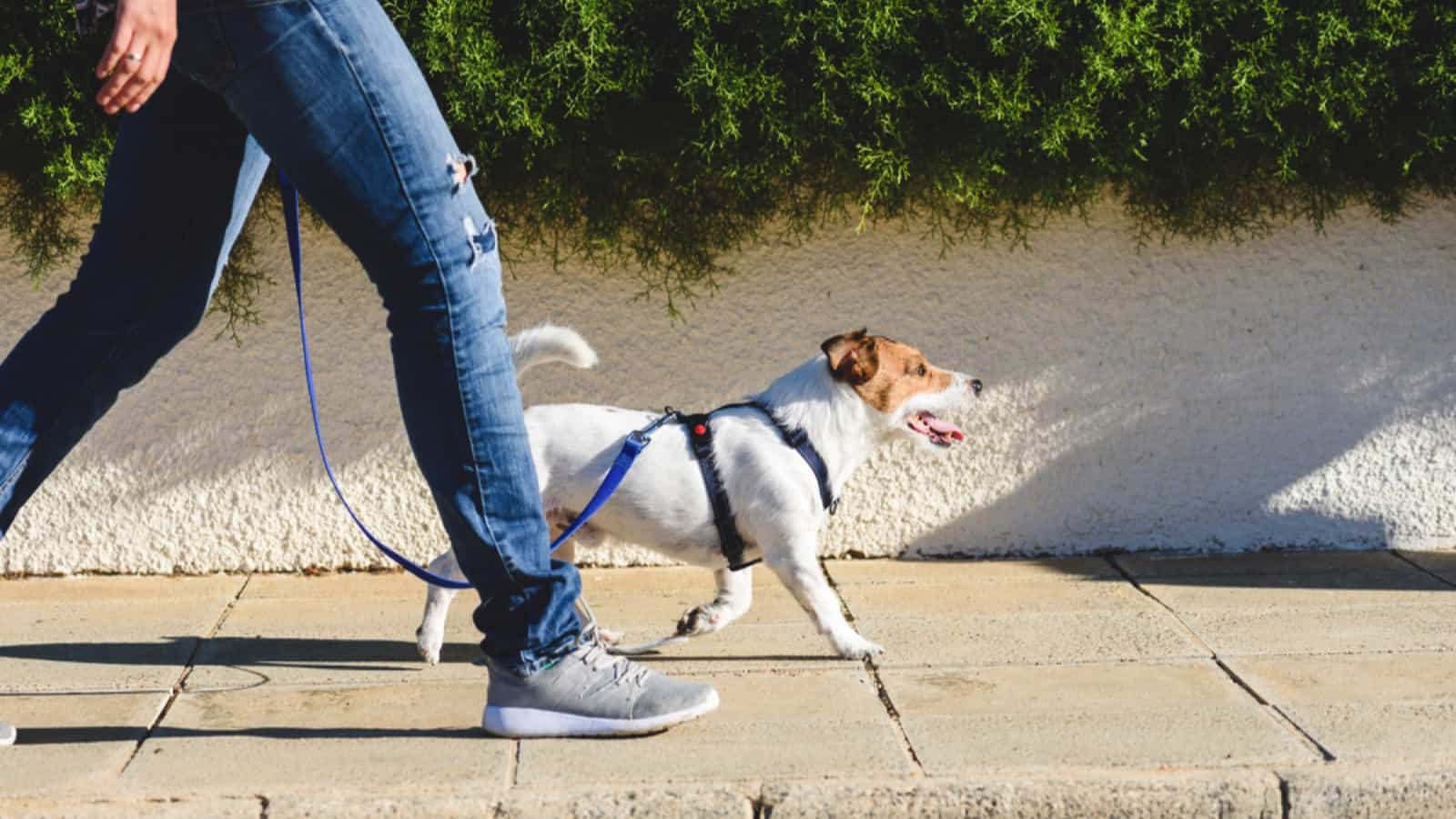

Traveling with your dog can turn an ordinary getaway into a memorable experience filled with fresh air, scenic walks, and shared adventures. A little preparation before you leave makes the entire trip smoother for both of you.
Whether you are heading out for a weekend road trip or planning a longer vacation, thinking ahead about your dog's comfort, safety, and routine helps prevent unnecessary stress. The goal is not to pack everything you own. It is to bring the essentials, choose pet-friendly destinations, and stay flexible enough to enjoy the journey without worrying about every small detail.
Plan Ahead Before You Leave
The best trips begin long before you load the car or arrive at the airport. Research accommodations that genuinely welcome dogs instead of simply allowing them. Many hotels, cabins, and vacation rentals have weight restrictions, breed policies, or additional pet fees. Knowing these details before booking helps avoid unpleasant surprises after you arrive.
Take a few minutes to confirm your dog's vaccinations are current and make sure identification tags display your current phone number. Packing a travel kit is equally important. Include food, treats, medications, a leash, waste bags, favorite toys, grooming supplies, and a familiar blanket that smells like home. Familiar items often help nervous dogs settle into new environments more quickly.
Keep Feeding and Daily Routines Consistent
One of the biggest mistakes owners make is changing everything at once during a trip. Dogs generally thrive on consistency, even when everything around them changes. Feeding at approximately the same times every day helps reduce digestive problems while maintaining familiar walking schedules provides comfort in unfamiliar surroundings.
Many owners also wonder how much food should I feed my dog, especially when traveling. The answer depends on your dog's age, weight, activity level, and the recommendations printed on your chosen food. Active dogs may burn more calories during hikes or long walks, while others may eat slightly less if they are excited or adjusting to a new environment. Rather than making dramatic changes, monitor your dog's appetite and body condition while sticking as closely as possible to their normal portions.
Fresh water deserves just as much attention. Bring a portable water bowl and offer drinks regularly during road trips, sightseeing, and outdoor activities. Hydration becomes even more important in hot weather or after extended exercise. Small habits like regular meal times and frequent water breaks help keep your dog feeling comfortable throughout the trip.
Make Every Part of the Journey Safe
Safety should always be part of your travel plans, regardless of how far you are going. Dogs should never roam freely inside a moving vehicle. A properly secured travel crate, crash-tested harness, or pet barrier helps protect everyone in the car if sudden braking becomes necessary.
Plan rest stops every couple of hours during longer drives. These breaks allow your dog to stretch, relieve themselves, drink water, and burn off some energy before returning to the vehicle. Even energetic dogs benefit from these short pauses, and many owners find that regular breaks make the drive more enjoyable for everyone.
Never leave your dog alone inside a parked vehicle, even for a short period. Temperatures inside cars can rise quickly, even when the outside weather feels comfortable. If your plans involve attractions where pets are not allowed, arrange pet-friendly alternatives before arriving rather than trying to solve the problem on the spot.
For air travel, review airline policies well in advance. Each carrier has different rules regarding carrier sizes, health documentation, and whether pets may travel inside the cabin or cargo area.
Choose Activities Your Dog Will Actually Enjoy
Not every vacation activity is enjoyable for every dog. Some dogs love hiking through wooded trails, while others are happiest strolling through outdoor shopping districts or relaxing at a pet-friendly café. Pay attention to your dog's personality instead of trying to include them in every planned activity.
Outdoor adventures often provide the best opportunities for both exercise and bonding. State parks, walking trails, lakes, and open green spaces allow dogs to explore new sights and smells while giving owners a chance to slow down and appreciate the surroundings. Keep your dog leashed whenever required and respect local wildlife as well as other visitors sharing the space.
Watch for signs that your dog is becoming tired, overheated, or overwhelmed. Panting excessively, slowing down, or refusing to continue walking may mean it is time for a break in the shade with fresh water and a few quiet minutes before continuing your adventure.
Find Destinations That Welcome Dogs
Choosing locations designed with pets in mind can completely change the quality of your vacation. Many cities now offer pet-friendly patios, walking paths, specialty shops, and parks where dogs are welcome. These destinations make it easier to include your dog throughout the day instead of constantly searching for places that allow pets.
If your vacation includes time near the coast, look for dog-friendly beaches that welcome four-legged visitors during specific seasons or throughout the year. Many provide waste stations, fresh water, and designated off-leash areas where dogs can safely run, swim, and play. Always check local regulations before visiting because seasonal restrictions, leash requirements, and permitted hours often vary from one beach to another.
Traveling with your dog is less about having a perfect itinerary and more about creating enjoyable experiences together. A little planning, a flexible schedule, and attention to your dog's needs can turn almost any trip into one you will both remember.
