
Nature has an uncanny ability to ground the soul and renew the spirit. The wind whistling through ancient trees, the rhythmic flow of a river against rocky bends, or the silent majesty of a mountaintop vista – these elemental forces offer serenity that no urban experience can match.
For travelers yearning to escape the mundane and immerse themselves in natural beauty, planning a nature-focused itinerary is more than just selecting scenic routes or trails; it’s about cultivating an elevated experience, where every aspect of the trip – from accommodations to adventures – enhances the bond with the environment.
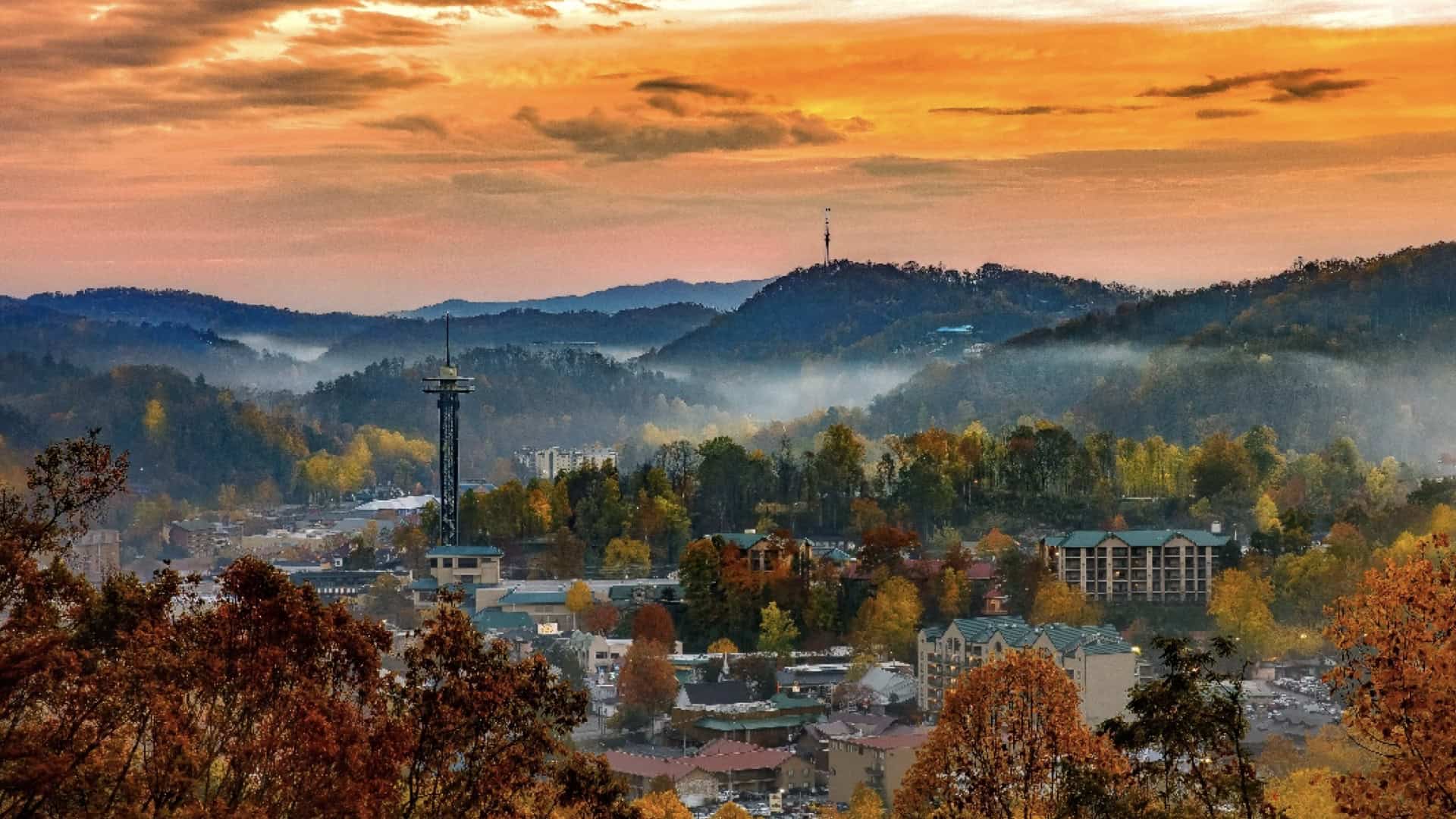
In places like Gatlinburg, TN, where lush forests meet misty ridgelines and nature feels immediate and immersive, the potential for transformation runs deep. Creating a truly restorative escape here requires thoughtful curation. Rather than hurried check-ins or overpacked agendas, it’s about balance.
The goal is to feel the forest’s rhythm, hear the night sounds uninterrupted, and return with a deeper sense of presence. Elevation here isn’t just about high altitudes—it’s about refining how one travels and connects with the world outside artificial walls.
Stay Where the View Breathes
When planning an immersive nature-focused experience, accommodations are not just a place to rest—they’re an extension of the surrounding environment. The right lodging choice can enhance the trip by offering comfort, convenience, and immediate access to natural beauty. For nature travelers, condos often offer more space, privacy, and amenities compared to traditional options, making them particularly well-suited for extended stays close to the outdoors.
If you're looking for the best condos in Gatlinburg TN, Park Place on the River condominiums are the ideal option for travelers who want to elevate their stay. Located just minutes from the entrance to the Great Smoky Mountains and within walking distance of downtown, these units feature private balconies with calming river views, spacious interiors, high-speed Wi-Fi, cozy fireplaces, and a swimming pool.
The experience strikes a balance between peaceful natural surroundings and modern comforts, providing the perfect base for a nature-focused itinerary.
Mapping a Journey Beyond the Roads
With a home base secured, the next step is shaping an itinerary that doesn’t just include nature—it celebrates it. An ideal nature-focused plan avoids the pitfalls of over-scheduling and instead encourages flexible immersion. The emphasis should be on choosing places and experiences that allow the senses to recalibrate.
Start with an early morning forest walk. These walks don’t have to be strenuous; instead, focus on trails that offer a mix of visual variety and sensory tranquility. The soft crunch of leaves, filtered sunlight through the canopy, and earthy aromas have a meditative quality. Trails that wind along rivers or ascend gradually toward overlooks are particularly effective in establishing a slow but powerful connection to the surroundings.
Afternoons can be used for deeper exploration. Whether that includes guided ecological hikes or interpretive trails with signage detailing local flora and fauna, the focus remains educational without feeling like a lecture. This is the time to learn from the land – its history, its resilience, and its rhythms.
Pause and Listen: The Value of Unstructured Time
Modern travel often suffers from the pressure to “see it all.” Nature-focused itineraries benefit from the opposite mindset. To truly elevate an experience, travelers should deliberately build in unstructured time. Sit by a creek and journal. Sketch the view from a high bluff. Practice photography, not with the aim of Instagram likes but with the intent of preserving a moment of stillness.
This unhurried approach cultivates mindfulness and appreciation. Observing a bird build its nest or witnessing deer moving quietly through underbrush may not be marked on any map, but these unscripted moments often become the most memorable.
Seasonal Activities for Deeper Engagement
Each season lends unique characteristics to a nature-focused itinerary. Spring offers rebirth: wildflowers bloom, creeks swell with snowmelt, and migratory birds return. It’s a time for fresh perspectives. Early morning outings and botanical trails become colorful and uplifting.
Summer opens the doors for full-day excursions. Extended daylight hours allow for longer hikes, water-based adventures like kayaking or tubing, and late-evening fireside storytelling. Nature is alive in every direction, and the experience can be as active or restful as one desires.
Autumn ushers in quiet beauty. The transformation of leaves, the scent of cooling pine, and the hush that descends over forests invite introspection. This is an excellent season for those who prefer solitude, photography, and crisp mountain air.
Nourishing the Body and the Spirit
Food plays an underrated role in travel, especially in nature-centered plans. Packing hearty, nutritious meals for hikes ensures energy and vitality, but it also sets the tone for thoughtful consumption. Fresh produce, locally sourced ingredients, and eco-conscious packaging contribute to both the traveler’s health and the sustainability of the environment.
Dining in natural settings—whether it's a scenic overlook picnic or a quiet riverside lunch—amplifies the enjoyment. The food doesn't have to be fancy. What matters is the mindfulness: eating slowly, savoring, and understanding how nourishment fits into the overall experience.
Respecting and Preserving the Wild
A nature-focused itinerary should never be one-sided. True elevation comes with awareness and responsibility. Practicing Leave No Trace principles is non-negotiable. Travelers should ensure they’re not disturbing wildlife, leaving trash, or damaging trails. Carrying reusable items, staying on designated paths, and avoiding loud noises are simple yet impactful habits.
Making Room for Reflection
The most profound travel experiences don’t end at the trailhead. A thoughtfully planned nature itinerary leaves space for reflection. Travelers should consider journaling each evening, noting emotions, lessons learned, and even moments of discomfort. These notes become a personal map of growth and insight.
Whether sitting beside a fire or reclining on a balcony listening to river currents, this is the space where travel matures into transformation. By planning with purpose, staying in places that echo nature’s charm, and engaging the land with reverence, the traveler walks away not just refreshed, but changed.
