
Traveling opens doors, not just to new places, but to new people, too. Whether you're at a café, a co-working space, or a conference abroad, every encounter could be a valuable connection. But let’s be honest, handing out paper business cards feels outdated (and easy to lose).
That’s where NFC cards step in. With just a tap, they share your contact info, social links, or portfolio, no typing, no hassle. In this blog, we’ll explore how you can make networking effortless while on the go, using smart tools that do the talking for you, so you can focus on the conversation, not the card.
The Modern Traveler's Networking Challenge
Today's business travelers face unique obstacles that didn't exist a decade ago. These challenges can make or break valuable connections before they even begin.
Time Constraints Kill Connections
You've got exactly three minutes before your boarding group gets called. Your new contact is fumbling through their wallet for a business card while you're trying to balance your carry-on and coffee. By the time you've sorted everything out, you're both rushing to different gates. Traditional business cards just don't work in these high-speed scenarios.
Travel schedules don't wait for lengthy contact exchanges. Whether you're grabbing a quick coffee between meetings or sharing a ride from the airport, these brief windows demand efficiency. The old-fashioned approach of exchanging paper cards and manually entering contact information simply takes too long.
Lost in Translation
International travel adds another layer of complexity. You meet someone brilliant at a conference in Barcelona, but their business card is entirely in Spanish. You're trying to decipher their contact information while dealing with jet lag and language barriers. Important details get lost, and that potentially game-changing connection never materializes.
Even domestic travel presents challenges. Regional differences in phone number formats, email conventions, and business etiquette can create confusion. What seems straightforward in your home city becomes complicated when you're operating in unfamiliar territory.
The Technology That Changes Everything
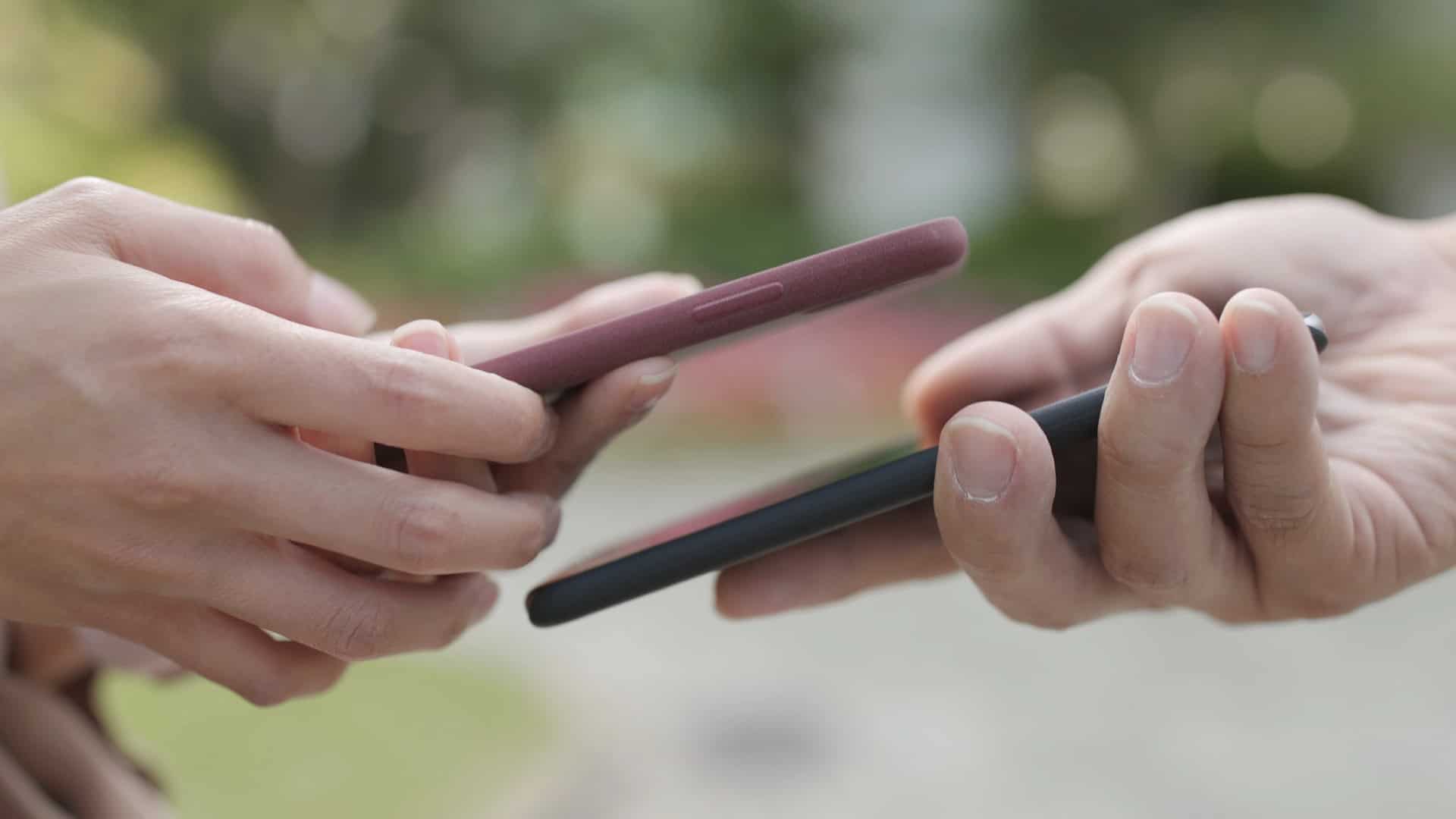
This is where nfc business cards transform the entire experience. Instead of wrestling with paper cards or spelling out email addresses, you simply tap your NFC card against their phone. Their contact information appears instantly, accurately, and in whatever language they prefer.
Digital business cards have revolutionized how professionals connect on the go. They're immune to coffee spills, won't get lost in luggage, and can be updated in real-time. When you land in a new city and realize your phone number has changed, you can update your digital card immediately.
Smart Strategies for Travel Networking Success

Successful travel networking requires more than just showing up with good intentions. It demands strategic thinking and the right tools to maximize every opportunity.
Preparation Before You Go
Your networking success starts long before you board the plane. Research who else will be at your destination, whether it's a conference, business meeting, or even a vacation spot known for attracting professionals in your industry. LinkedIn and event websites often provide attendee lists that help you identify key people to connect with.
Update your digital business card with travel-specific information. Include your mobile number, WhatsApp contact, and any temporary local numbers you might be using. Consider adding links to your latest projects or a brief video introduction that gives context to your work.
Making the Most of Unexpected Moments
The best travel networking tips often center on being ready for unplanned encounters. That person next to you on the plane might be exactly the contact you need. Hotel lobbies, coffee shops, and even ride-sharing services become networking opportunities when you're prepared.
Keep your NFC card easily accessible – not buried in your wallet or laptop bag. The whole point is quick, seamless exchanges during those brief moments when connections happen naturally. Practice your elevator pitch, but keep it conversational rather than rehearsed.
Following Up While You're Still There
Don't wait until you're back home to follow up on new connections. Using NFC technology for networking gives you an advantage here because all the contact information is already stored digitally. Send a quick message while you're still in the same city, perhaps suggesting a coffee meeting or sharing a photo from the event where you met.
This immediate follow-up, while you're both still in the same location, creates a stronger connection than waiting weeks to reach out. It shows genuine interest and makes it easier to continue the conversation.
Technology Tools That Actually Work

Not all networking technology is created equal. The tools that work best for travelers are those that function reliably across different countries, devices, and situations.
NFC Cards vs. Traditional Methods
NFC business cards offer significant advantages over traditional paper cards, especially for international travelers. They work with virtually any smartphone, don't require special apps, and can store much more information than a paper card ever could. You can include multiple phone numbers, social media profiles, and even links to your portfolio or company website.
Traditional business cards get damaged, lost, or forgotten. They also become outdated quickly. When you get promoted, change companies, or move to a new city, all your paper cards become useless. Digital cards update automatically across all your contacts.
Integration with Your Existing Systems
The best networking tools integrate seamlessly with your current workflow. Look for digital business cards that sync with your CRM system, automatically add contacts to your email lists, and provide analytics on who's viewing your information. This data helps you prioritize follow-ups and understand which connections are most engaged.
Many NFC cards also work with project management tools, calendar systems, and social media platforms. This integration means new contacts can immediately book time on your calendar or connect with you on LinkedIn without additional steps.
Backup Plans for Technology Failures
Even the most reliable technology can fail. Your phone might die, the NFC reader might not work, or you might simply forget your card. Smart travelers always have backup options, whether it's a QR code saved on their phone, a few traditional business cards, or simply knowing how to quickly share contact information verbally.
The key is having multiple options without being weighed down by too many tools. One NFC card, a backup QR code, and perhaps a few traditional cards for older-generation contacts cover most scenarios you'll encounter.
Future-Proofing Your Travel Networking
The networking landscape continues to evolve, and travelers need to stay ahead of these changes to maximize their opportunities.
Emerging Technologies
NFC technology is just the beginning. Augmented reality business cards, blockchain-verified contact information, and AI-powered networking recommendations are all on the horizon. But these new technologies will likely build on the foundation that NFC cards provide today.
Smart travelers invest in tools that will grow with the technology rather than become obsolete. Look for platforms that regularly update their features and integrate with new technologies as they emerge.
Global Adoption Trends
Using NFC technology for networking is becoming standard practice in many countries, particularly in Asia and Europe. As this technology spreads globally, travelers who are already comfortable with it will have an advantage over those still relying on traditional methods.
Understanding regional preferences for networking technology also helps. Some countries favor QR codes, others prefer NFC, and some still rely heavily on traditional business cards. Flexible tools that support multiple sharing methods work best for international travelers.
Building Long-Term Relationships
The ultimate goal of travel networking isn't just collecting contacts – it's building relationships that provide value over time. Technology should support this goal rather than complicate it. The best networking tools help you stay in touch with contacts over months and years, not just during the initial exchange.
This long-term perspective influences which tools you choose and how you use them. Focus on solutions that help you maintain relationships rather than just facilitate initial introductions.
Getting Started with Your First NFC Card
Ready to upgrade your travel networking game? Here's how to make the transition smoothly and effectively.
Choosing the Right Card
Not all NFC cards are created equal. Look for cards that offer customization options, reliable technology, and good customer support. Consider your specific needs – do you want a card that matches your company branding, or would you prefer something more personal and versatile?
Read reviews from other travelers and test the card's compatibility with different phone models. Some cards work better with iPhones, others with Android devices. Choose one that works reliably with the devices your contacts are most likely to use.
Setting Up Your Digital Profile
Take time to create a comprehensive digital profile that represents you professionally. Include high-quality photos, detailed contact information, and links to your best work. Remember that this profile will often be someone's first impression of you, so make it count.
Keep your profile updated regularly, especially when traveling. Add temporary contact information, update your location, and include any travel-specific details that might be relevant to new connections.
Practicing Your New Approach
Before you travel, practice using your NFC card with friends and colleagues. Get comfortable with the technology and work out any kinks in your setup. This practice ensures you'll be confident when using it in real networking situations.
Test the card in different environments and with different devices. Make sure it works reliably and that your digital profile displays correctly on various screen sizes and operating systems.
Making Every Connection Count
Networking while traveling doesn’t have to feel awkward or old-school. With NFC cards, you’re not just sharing contact details, you’re making a smooth, modern impression that sticks. They're quick, eco-friendly, and always ready when you are. So next time you're meeting someone on the road, skip the paper and let your card do the talking. It’s a small switch that can lead to big opportunities, because the right connection can happen anywhere, anytime.
Common Questions About Travel Networking with NFC
1. How to Make an NFC Tag Connect to Wi-Fi?
Click the big circle that says READ NFC. Scan the NFC tag. Then say done. It will show results. Click on the line under results with your wifi name. Then it will auto connect to that wifi network.
2. How do NFC cards work without power?
Typical NFC tags absorb energy radiated by the phone and briefly stays charged just enough to transmit data. If there is no battery left in the phone, then there is nothing to charge up the NFC with.
3. Can NFC cards work internationally?
Yes, NFC technology is standardized globally and works with smartphones worldwide. However, you should verify that your digital profile includes international contact formats and consider adding multilingual information for global networking.
