

A journey through Namibia stands as a quintessential African adventure. This country offers a remarkable combination of accessibility, safety, and breathtaking, untamed landscapes. For travelers seeking an introduction to the continent that feels both adventurous and manageable, Namibia is an ideal destination. It is widely regarded as one of Africa's safest countries for independent exploration, with English as the official language simplifying every interaction. The experience is defined by vast, open spaces and a profound sense of solitude.
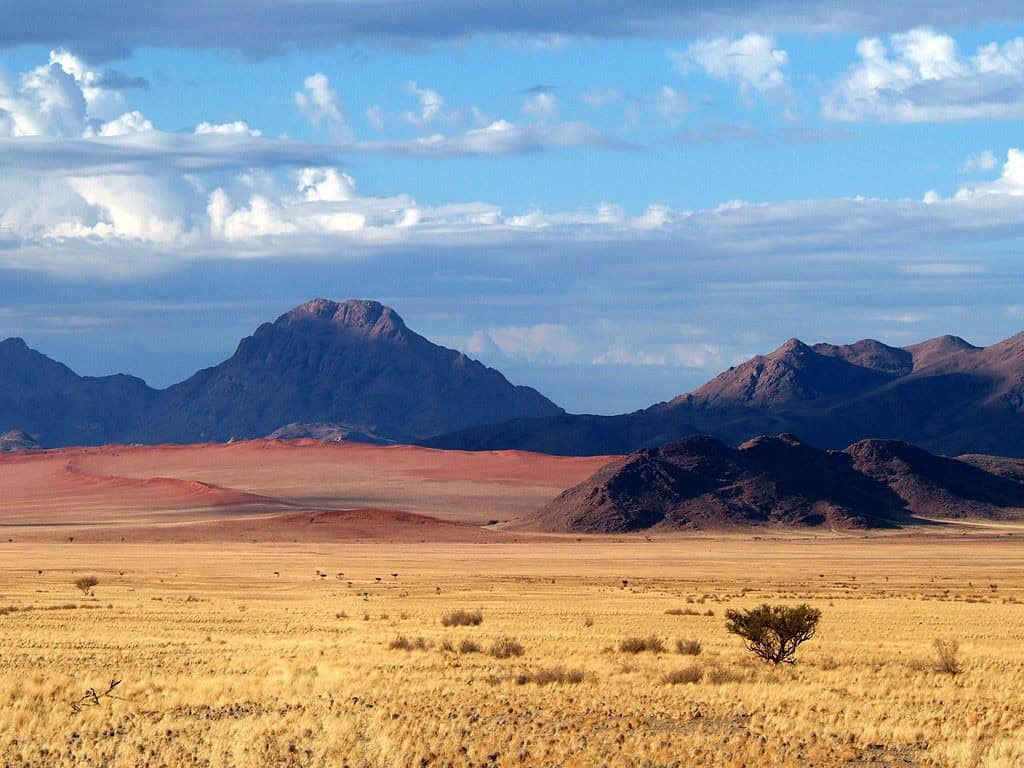
The country’s defining characteristic is its breathtaking emptiness. Namibia holds the title of the second-least-densely populated country globally, with an average of just five people per square mile. This translates into horizons that stretch uninterrupted for miles, where the sight of a springbok is more common than another person. The landscapes are staggeringly diverse.
In the north, Etosha National Park provides incredible wildlife viewing, where elephants, giraffes, lions, and the elusive black rhino gather at waterholes. To the west, the ancient Namib desert offers the iconic, rust-red sand dunes of Sossusvlei. Further west still lies the haunting Skeleton Coast, littered with shipwrecks, and the eerie ghost town of Kolmanskop. After dark, the lack of light pollution reveals a celestial spectacle, with the Milky Way shining with impossible clarity.
Planning accommodation is a key part of the Namibian experience, and travelers can find a variety of options among the many excellent namibia hotels and remote lodges. The choice often boils down to two main styles: comfortable lodging or camping. The most affordable lodge rooms typically start at over one hundred dollars per night, while camping in designated sites offers a fantastic budget alternative for around thirty dollars.
Urban centers like Windhoek, Swakopmund, and Luderitz provide more affordable hotel options. A rental car is absolutely essential for exploration. While a standard sedan is possible, a vehicle with high ground clearance is strongly advised. The vast majority of the road network consists of gravel routes, which demand careful driving but reward with spectacular scenery.
| Consideration | Recommendation |
| Best Time to Visit | May-October (cooler, dry season for optimal wildlife viewing) |
| Travel Period | March (low season, fewer tourists, but wildlife can be more sparse) |
| Primary Transport | Rental 4×4 vehicle is ideal |
| Key Guidebook | Bradt Namibia Guide (invaluable due to limited online info) |
Beyond transportation and lodging, daily costs are quite manageable. National park entrance fees are often around six dollars, and a hearty dinner at a lodge typically costs between ten and fifteen dollars. Connectivity can be a challenge, with slow and expensive Wi-Fi being common. Purchasing a local SIM card is a cost-effective alternative for data, though coverage is unreliable outside major towns, underscoring the value of a good physical guidebook.
To fully appreciate Namibia's grandeur, a two-week itinerary is highly recommended. For a seamless trip, several tips are essential.
- A powerful zoom lens is crucial for photography. Wildlife is often observed from a distance, and a standard lens cannot capture the detail of the animals.
- Comprehensive travel insurance is non-negotiable, given the high rate of road accidents and potential health risks like malaria.
- Opting for full insurance coverage for the rental vehicle is wise, as the rugged terrain increases the likelihood of flat tires or minor damage.
Namibia is a country that leaves a lasting impression. It is an adventure defined by epic landscapes, incredible solitude, and the raw beauty of the natural world, offering a unique opportunity to feel like a true explorer.
