

Cultural integrity is one of the most fragile aspects of global travel, yet it is also one of the most rewarding to protect. Travelers who approach new destinations with intention quickly discover that every choice influences how cultures are represented, preserved, and experienced.
Even when researching trips such as Machu Picchu vacation packages, travelers increasingly look beyond traditional sightseeing and consider how their presence affects local communities, traditions, and heritage sites. Conscious travel asks us to participate in a way that strengthens cultural identity rather than diluting it.
The Growing Desire for Authenticity
People want more than photos and itineraries. They want connection, understanding, and genuine interaction. Yet authentic experiences only exist when cultural heritage remains intact. This is why conscious travelers pay close attention to how tourism impacts local practices. They seek opportunities that honor the community’s voice and avoid experiences that turn culture into a display rather than a living expression of identity.
Preserving Cultural Integrity is Not Passive

It requires awareness, respect, and willingness to learn. Many travelers look to global organizations like UNESCO to understand how cultural sites and traditions are protected worldwide.
Their resources on safeguarding intangible cultural heritage offer valuable insights into how traditions, languages, and rituals survive through active community participation: UNESCO guidance on intangible cultural heritage. Learning from these frameworks helps travelers recognize the depth and significance of the cultures they encounter.
Understanding the Fragility of Cultural Heritage
Culture is more than monuments and artifacts. It is woven into daily life through language, art, food, customs, and shared memory. These elements can be easily disrupted when tourism grows faster than a community can adjust. Conscious travelers understand that every destination has a threshold for how much tourism it can sustain without compromising cultural authenticity.
By observing local norms, using respectful communication, and learning about the cultural context before arriving, travelers help ensure that their presence does not unintentionally erode the traditions that make the destination unique.
Supporting Local Voices and Authentic Representation
One of the simplest yet most powerful ways to preserve cultural integrity is to support experiences owned or led by local people. Community based tourism initiatives allow residents to share their heritage in ways that feel authentic to them. This avoids situations where outsiders dictate cultural narratives or oversimplify traditions to appeal to mass tourism.
Travelers who prioritize local experiences help ensure that tourism revenue remains within the community. This financial support strengthens cultural resilience by enabling families and cultural practitioners to preserve rituals, maintain craftsmanship, and pass traditions to future generations.
Engaging Mindfully With Cultural Practices
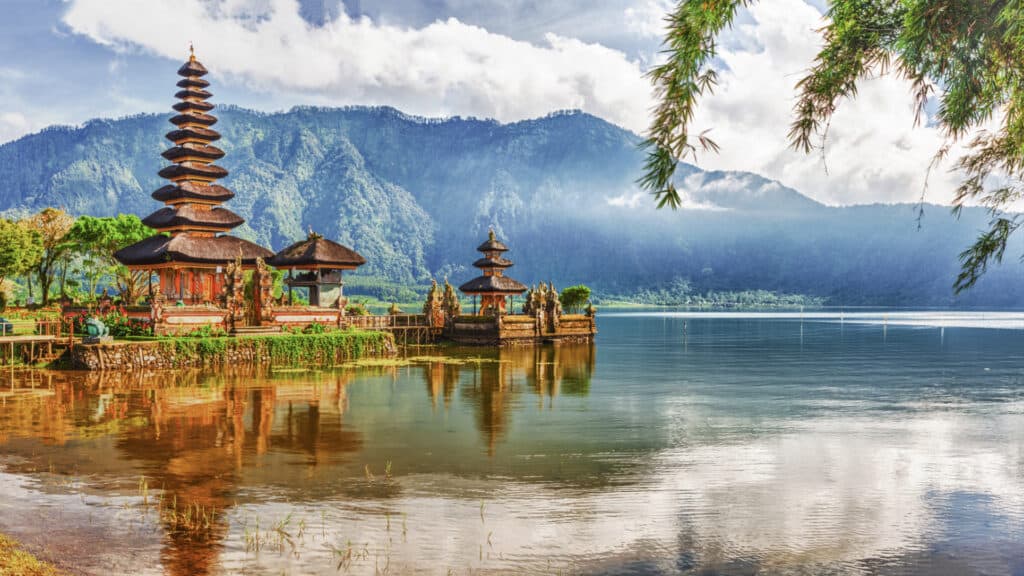
Cultural exchange is a privilege that comes with responsibility. Conscious travelers approach ceremonies, festivals, and sacred spaces with humility and curiosity. They observe first, participate respectfully when invited, and avoid treating cultural practices as entertainment.
Photography, for example, is one area where mindful engagement is essential. Asking permission, respecting restrictions, and understanding the meaning of a moment allow cultural practices to be experienced with dignity rather than intrusion.
Choosing Ethical Travel Operators
Responsible travel often depends on choosing the right operators. Ethical companies collaborate with local communities rather than imposing standardized experiences. They seek to minimize environmental impact, support cultural preservation projects, and ensure that hosts receive fair compensation.
To evaluate operators, travelers may look for certifications and partnerships with credible environmental or cultural organizations. The International Institute for Environment and Development offers research and resources on ethical tourism models that center community needs: IIED research on community based tourism. Using this kind of information helps travelers select providers that align with their values.
Understanding the Impact of Tourism on Daily Life
Tourism brings economic opportunity, but it can also create pressure on local resources and shift community priorities. When cultural performances are altered to meet tourists’ expectations or traditional crafts are mass produced for convenience, authenticity may suffer. Travelers who understand these challenges are more mindful of what they choose to support.
For example, buying handmade goods directly from artisans respects the value of their labor and preserves traditional methods. Participating in small group tours reduces strain on local infrastructure. Staying in guesthouses or family run accommodations supports local livelihoods rather than funneling revenue into large external corporations.
Protecting Sacred and Environmentally Sensitive Sites

Some cultural sites are sacred or symbolically significant. Conscious travelers treat these places with reverence, following guidelines and respecting boundaries. This helps preserve not only the site itself but also the community’s spiritual relationship with it.
Environmental preservation also plays a role in cultural integrity. Landscapes often hold deep cultural meaning, and damaging the environment can affect both cultural practices and community identity. Staying on designated paths, minimizing waste, and leaving no trace contribute to the longevity of cultural landscapes.
Promoting Cultural Exchange Rather Than Cultural Extraction
Cultural exchange allows travelers and hosts to learn from one another. Cultural extraction, on the other hand, occurs when travelers take without giving back or when experiences become transactional. Conscious travelers aim for mutual exchange. They listen more than they speak, ask thoughtful questions, and acknowledge the expertise of local guides and cultural practitioners.
This reciprocal approach leads to more meaningful experiences and fosters genuine understanding between cultures.
Preserving Cultural Integrity as a Shared Responsibility
Cultural preservation is not solely the responsibility of host communities. Travelers play a significant role in shaping how cultures evolve in response to tourism. By choosing experiences that honor cultural identity, supporting ethical operators, and engaging respectfully, travelers help maintain the richness and diversity that make global travel so rewarding.
Travel as a Positive Force for Cultural Continuity
When travel is approached consciously, it becomes more than a leisure activity. It becomes an opportunity to strengthen global understanding, empower communities, and protect cultural heritage for future generations. By recognizing the value of cultural integrity and making mindful choices, travelers contribute to a world where cultural diversity is celebrated, respected, and sustained.
Conscious travel transforms each journey into a shared effort to honor and preserve the stories, traditions, and identities that define cultures around the world.
