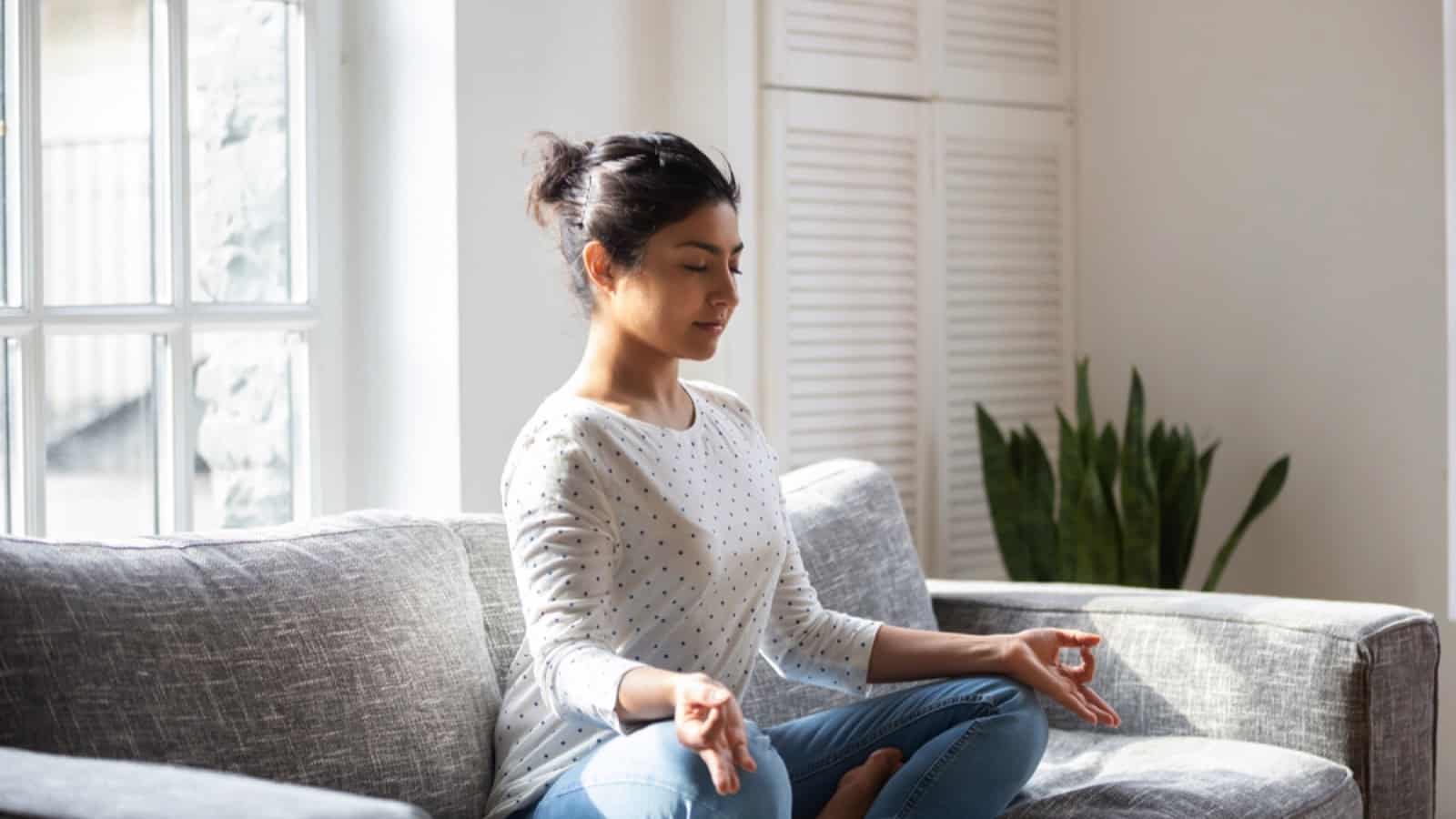

The stresses and strains of daily life can all get a bit too much sometimes. In fact, for more of us than ever before that’s the case.
There has been a rising number of people struggling with the likes of anxiety, depression and addiction, with more people checking in to the likes of an alcohol treatment centre and mental health to get the help they need.
That’s why self-care is imperative and having a space at home in which you can find relaxation, calm and look after your mental wellbeing can make all the difference.
If you’re lucky enough to have a spare room, then transforming it into a calming room to relax can be really useful. But how do you do that exactly? Here are five top tips to transform your spare room into a mindfulness haven…
Clear the Clutter
First and foremost, we’ve all heard the saying “a tidy home equals a tidy mind” and there’s a lot of truth to that. That’s why a start point should always be clearing the clutter. A space dedicated to mindfulness should be light, calm and unburdened – that means not allowing it to become a dumping ground or used for storage.
Take the time to go through what you need and remove anything that doesn’t either serve a purpose or bring a sense of calm. You want to keep the space as simple as possible, with cleanliness and clear space having a real emphasis on it.
Choose Calming Colours and Natural Textures
Colour can have a real impact on our mental health, as well as how a space feels. You want to be opting for soft, neutral colours like sage green, warm beige or pale greys. These promote relaxation.
You want to avoid anything too bright or stimulating, as this generally makes it more difficult to focus or find calm.
Texture-wise, materials that are natural like wood, cotton, linen and bamboo are good for creating a more grounded feel, while soft rugs or throws can bring warmth and comfort to a space. For anyone wanting to add a pop of colour, earthy tones like terracotta and greens can provide that, but keep things feeling soothed.
Add Simple, Comforting Furnishings
Again, simplicity remains key here and while you won’t need much in terms of furniture, you do want to include things that are practical and comfortable. Floor cushions, meditation stools or yoga mats may be all you need. Alternatively, you could add a cosy chair or a small bench to sit on too.
Soft lighting is a must to keep the atmosphere calm and perfect for unwinding, while you might want to add small shelves or baskets for mindfulness tools and companions like essential oils or notebooks. Bookshelves can also be good for those who like to use the space for reading.
Bring in Nature
We all know the calming impact nature can have on us, so incorporate that into your space. Plants can bring a space to life and ensure the oxygen in the room is nice and clean, creating a fresh and peaceful energy.
Make the most of natural light where you can, while you may also want to consider natural scents like lavender, cedarwood or eucalyptus, which will help support relaxation. That might be in the form of candles, diffusers or room sprays.
Make It a Screen-Free Zone
Finally, to truly create a space that encourages presence, consider making it a technology-free area. Leave your phone, laptop, or tablet outside the door if possible, and resist the urge to scroll or multitask while in the space.
Instead, let this room become a sanctuary where you can step away from distractions and reconnect with yourself. Use the time for meditation, breathwork, gentle stretching, or simply sitting in silence.
