

Mexico is a top tourist destination for many because of its unique capital city and beautiful beach towns. While many people visit Mexico each year, many don’t know that there are several tips you should follow to help keep you and your loved ones safe and happy. To prepare for your trip to Mexico, check out our list below of the top 15 things to not do in Mexico!
1. Wear or Carry Flashy Things

When you’re visiting Mexico, leave your fancy things at home. If you have a nice watch, new tech-gadget, or expensive camera dangling around your neck, you’ll be a greater target for petty theft. The best thing to do is to avoid calling too much attention to yourself. Don’t wear clothing that is too nice or accessories that attract attention. If you do bring your camera around with you, store it in a case or backpack when you’re not using it.
2. Eat Street Food without Local Guidance

Don’t get us wrong! Street food in Mexico can be really delicious. However, you should be careful about where you eat. Street food vendors may not always follow the food preparation guidelines of restaurants. For that reason, you’ll be more likely to get sick if you eat street food without knowing which vendors to trust. If you want to try street food, ask for local opinions first. The locals often know which vendors are reputable and trustworthy and which ones you should avoid. So before you chow down on some street food, get a second opinion from a local. Your stomach will thank you!
3. Forget to Pack Stomach Medicine

You may have heard of “Montezuma’s Revenge,” and we’re here to tell you it’s no joke. Montezuma’s Revenge is a nickname given to stomach illnesses that tourists often experience in Mexico, either due to accidentally consuming tap water, eating contaminated food, or eating spicy food. No matter how it happens, if your stomach is upset during your trip, you’ll want to have something reliable you can reach for. When you’re packing, don’t forget to add your upset stomach/diarrhea medication of choice. Having something ready to go is far better than a trip to the pharmacy, especially if you don’t speak Spanish.
4. Walk Alone at Nighttime
If you’re out at night, you should always take a cab or rideshare versus walking back to your hotel. As with any city, crime rates are higher at night and tourists are at greater risk of being targeted compared to locals. While walking in groups puts you at a lower risk, especially if you have men in your group, the safest thing to do is take a cab or rideshare. It’s not that expensive and it will give you peace of mind.
- Assume You Put Your Toilet Paper in the Toilet
Throwing toilet paper in the toilet is second-nature to many of us. However, this is not the case in many places in Mexico. Often, the plumbing systems are not equipped to deal with toilet paper. Instead of putting toilet paper in the toilet, you’ll often need to dispose of it in a small waste bin near the toilet. Keep this in mind, as putting toilet paper in the toilet can cause some serious blockages!
6. Rely Solely on Credit Cards

In recent years, cash has become less and less common in the United States. A credit card can get you just about anything you need, anywhere in the country. However, Mexico is not the same. While hotels and large businesses accept credit cards, many smaller establishments still rely on cash. It’s a good idea to have some cash on you when you go out, in case you run into a vendor who only accepts cash. Similarly, don’t carry all your credit cards with you at one time. It is smart to leave some locked up at your hotel, in case you lose your purse or wallet.
7. Ask Small Businesses Take Large Bills

Now, you have some cash on you, and you’re ready to buy a coffee or souvenir at a small vendor. Make sure you’re not asking small vendors to break large bills. Trying to pay a small amount with a large bill is considered rude, since it requires the vendor to give you the rest of their change. Try to break large bills into smaller bills, so you have a variety when you’re buying things.
10. Exchange Money at the Airport

We’ve talked about the importance of having cash, but where you get your cash is equally important! While it might feel easiest to exchange money at the airport, those are often the worst rates you can find in the country. If you want to exchange money, head to a major bank in a city, where rates will be more reasonably priced. If you’re open to it, we recommend withdrawing money directly from an ATM. Check with your bank/card company beforehand, since some banks charge a fee for foreign ATM withdrawals. However, if you can find a card or bank that does not charge a fee, this is often the most economical way to withdraw cash.
11. Only Speak English

Before you go out on your trip, take the time to learn some basic phrases in Spanish. Although lots of people in Mexico speak English, you don’t need to speak fluent Spanish to get around, but the locals will appreciate your effort. Knowing even a few words or phrases in Spanish will go a long way to help you connect with the locals and not come off as an entitled English-speaker. So, fire up Duolingo or check out a list of day-to-day vocabulary before your trip!
10. Drink the Tap Water

This one should go without saying, but it is important to remember: you can’t drink the tap water in Mexico. Even if you’re at a nice resort or venue, the tap water often has harmful germs that can make you sick. To avoid drinking the tap water, use a water purifier or drink exclusively bottled water. We also suggest avoiding eating raw foods that were likely washed in tap water (like salads) and any fruit with a peel (apple, mango, etc.). While avoiding the tap water doesn’t guarantee you won’t get sick, it will go a long way in helping prevent illness during your trip.
11. Use Unlicensed Taxis

With the rise of ride sharing apps, this tip has become less relevant but it warrants mentioning. Whenever you take a rideshare or a taxi in Mexico, make sure that the vehicle and driver are reputable. If you’re in a rideshare, ask the driver to give your name before entering the vehicle, and always check the license plate/car type to ensure it matches the app. If you’re taking a taxi, look for registered taxis with documentation clearly displayed. If you ever doubt the legitimacy of a taxi or are unsure how to get a licensed cab, go to a nearby hotel and ask them to call one for you.
12. Forget to Carry Toilet Paper/Hand Sanitizer
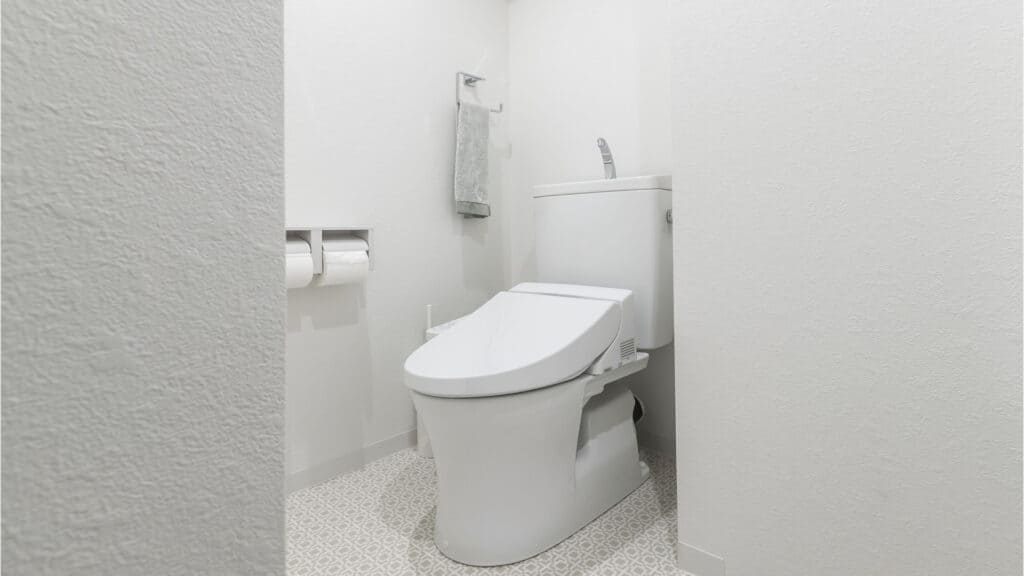
Public restrooms in Mexico are not always well-stocked. While you can normally find a bathroom when you need one, that doesn’t mean they’ll have toilet paper or soap & water to wash up afterwards. To avoid not having these essentials, always pack a small amount in your purse or backpack. You’ll be happy you did, if you’re ever somewhere where it’s not available.
13. Assume Things Are Open on Mondays
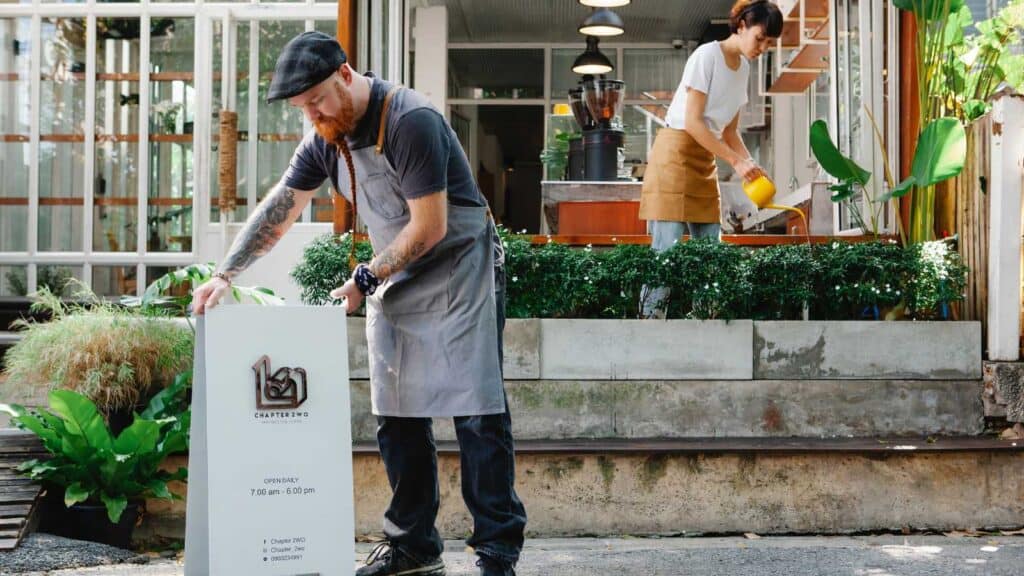
Check the opening hours and schedule before planning your itinerary in Mexico! Although Mondays are normal working days in Mexico, museums and cultural attractions are not always open on Mondays, since there is less activity in the cities. To avoid disappointment, check the schedules of the places you want to visit. For some, such as Frida Kahlo & Diego Rivera’s house, you may even want to purchase your tickets in advance, as they can get booked up quickly during popular times.
14. Eat in Top Tourist Areas

When you’ve just visited one of the top tourist sites, it can be tempting to duck into the nearest cafe for lunch or a coffee. Don’t do it! Prices are often inflated in touristy areas because they know they can capitalize on their location. Get at least a few blocks away from key tourist locations before you sit down to eat. If you want to make sure you’re not getting cheated, ask for a menu in Spanish as well. Sometimes, prices on the English menu are higher since they’re intended for tourists.
15. Carry Your Passport

You may have heard that you should always have your passport on you in Mexico, in case the police ask to see your ID. However, walking around with your passport is extremely risky. If you are robbed or lose your bag, you’ll have to go through a long process to get the identification you need to safely travel home. To avoid this, carry a color-copy of your passport and a national-ID (such as a driver’s license) instead, as law enforcement will accept this. To be extra safe, scan your passport and send it to yourself and give a photocopy to a travel companion. That way, should something happen to your passport, you have something to show embassy staff.

I’m Steve. I’m an English Teacher, traveler, and an avid outdoorsman. If you’d like to comment, ask a question, or simply say hi, leave me a message here, on Twitter (@thefrugalexpat1). Many of my posts have been written to help those in their journey to financial independence. I am on my journey, and as I learn more I hope to share more. And as always, thanks for reading The Frugal Expat.